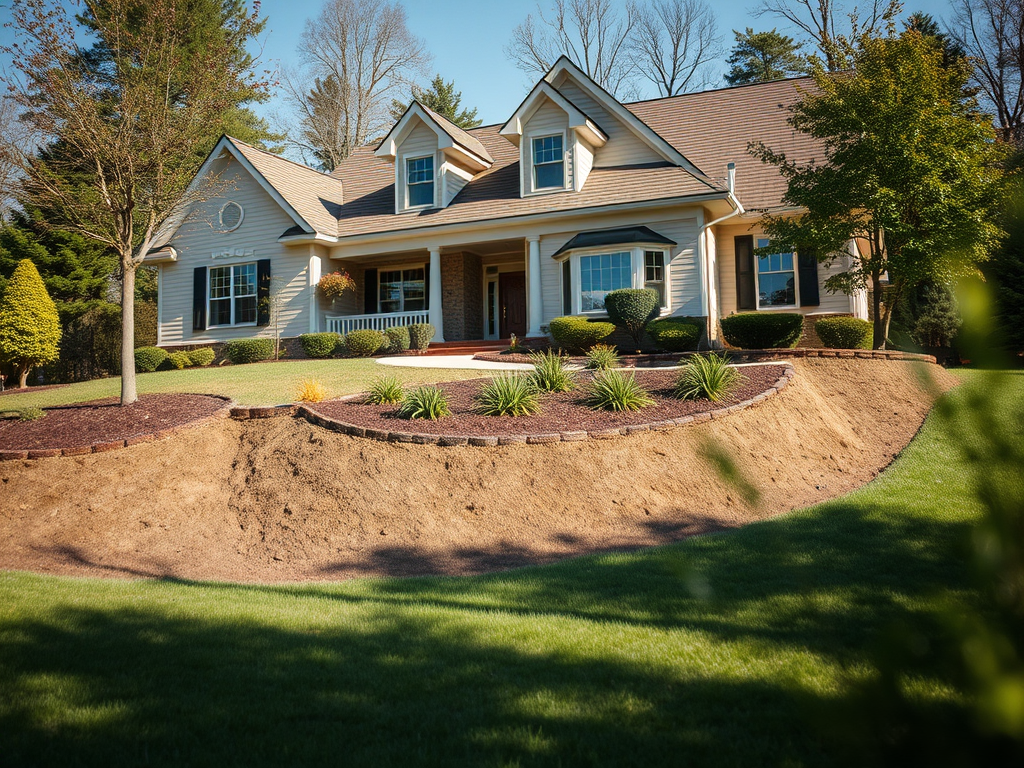
When it comes to homeownership, one crucial aspect that often gets overlooked is property grading. Proper grading plays a vital role in the overall health and longevity of your home, affecting everything from drainage to foundation stability. Here’s a closer look at what property grading is, why it matters, and how you can ensure your home is properly graded.
What is Property Grading?
Property grading refers to the slope and contour of your land around your home. It is designed to direct water away from the foundation and prevent flooding or water damage. A well-graded property will have a slight slope away from the house, allowing rainwater and runoff to flow away rather than pooling near the foundation.
Why Property Grading Matters
- Prevents Water Damage
One of the primary reasons for proper grading is to prevent water accumulation around your home. When water pools near the foundation, it can lead to significant issues such as mold growth, basement flooding, and structural damage. Proper grading helps ensure that water flows away from the house, reducing these risks. - Foundation Stability
The stability of your foundation is paramount to the structural integrity of your home. Poor grading can lead to soil erosion or settling, which can compromise your foundation. Maintaining the right grade helps keep the soil intact and supports your home’s foundation over time. - Reduces Erosion
A well-graded property minimizes the risk of soil erosion, which can affect landscaping and lead to uneven surfaces. Erosion can wash away valuable topsoil and damage gardens, driveways, and walkways. - Improves Landscaping and Aesthetics
Proper grading enhances the overall appearance of your property. It creates a visually appealing landscape while ensuring that plants and vegetation thrive by directing water where it’s needed. - Compliance with Local Regulations
Many municipalities have regulations regarding property grading to prevent drainage issues that can affect neighboring properties. Ensuring your property is graded correctly can help you stay in compliance with local laws.
Signs of Poor Grading
Knowing the signs of poor grading can help you address issues before they escalate:
- Pooling Water: If you notice puddles forming near your foundation after rain, it may indicate improper grading.
- Cracks in the Foundation: Vertical or horizontal cracks in the foundation walls can signal shifting soil or water-related issues.
- Sinking or Uneven Landscaping: Areas of your yard that appear to be sinking or uneven may be a sign of erosion or improper grading.
- Basement Moisture: If your basement feels damp or has visible water, it could be related to grading issues.
Solutions for Proper Grading
If you suspect grading issues on your property, consider the following solutions:
- Regrading: Hiring a professional to regrade your property can help create a proper slope away from your home.
- Installing Drainage Systems: French drains, swales, and gutters can help direct water away from your foundation.
- Maintaining Landscaping: Regularly check and maintain landscaping to ensure it supports proper drainage.
Conclusion
Understanding and maintaining proper property grading is essential for protecting your home from water damage and ensuring its structural integrity. If you have concerns about your property’s grading, it’s wise to consult a professional to evaluate the situation and recommend the best course of action. By investing in proper grading, you’re safeguarding your home and enhancing its value for years to come.
 King Home Inspection Services