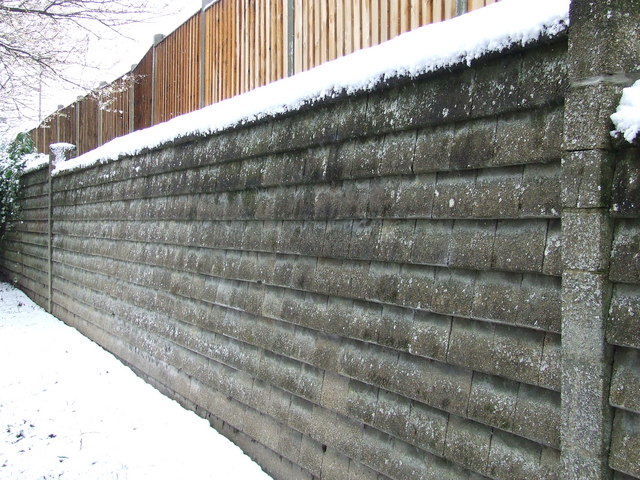
As a home inspector, one of the key areas we focus on is the safety and stability of the property’s foundation and surrounding structures, and retaining walls are a critical part of that. A well-built retaining wall helps prevent soil erosion, water damage, and potential structural issues. However, if neglected, retaining walls can deteriorate over time, leading to costly repairs and even hazardous conditions.
Here are a few things to look for when inspecting a retaining wall:
- Cracks or Bowing: Cracks or bowing in the wall may indicate shifting soil pressure or structural weakness, which can lead to the collapse of the wall.
- Drainage Issues: Retaining walls should have proper drainage systems in place. Look for clogged weep holes or standing water behind the wall, as this can increase the risk of water damage or wall failure.
- Leaning or Tilting: A wall that is leaning or tilting could signal that the soil behind it is pushing against the structure, or that the foundation is compromised.
- Soil Erosion: Look for signs of soil erosion at the base of the wall, as this can reduce its effectiveness in preventing further erosion and may signal structural failure.
- Material Degradation: Over time, materials like stone, concrete, or wood can degrade due to weather exposure. Check for signs of rotting wood, cracked stones, or disintegrating concrete.
Regularly inspecting retaining walls can help prevent major issues and ensure the stability of your property. If you spot any of these signs, it’s best to consult a professional to assess and address the situation before it leads to more significant damage.
 King Home Inspection Services
Leave a comment