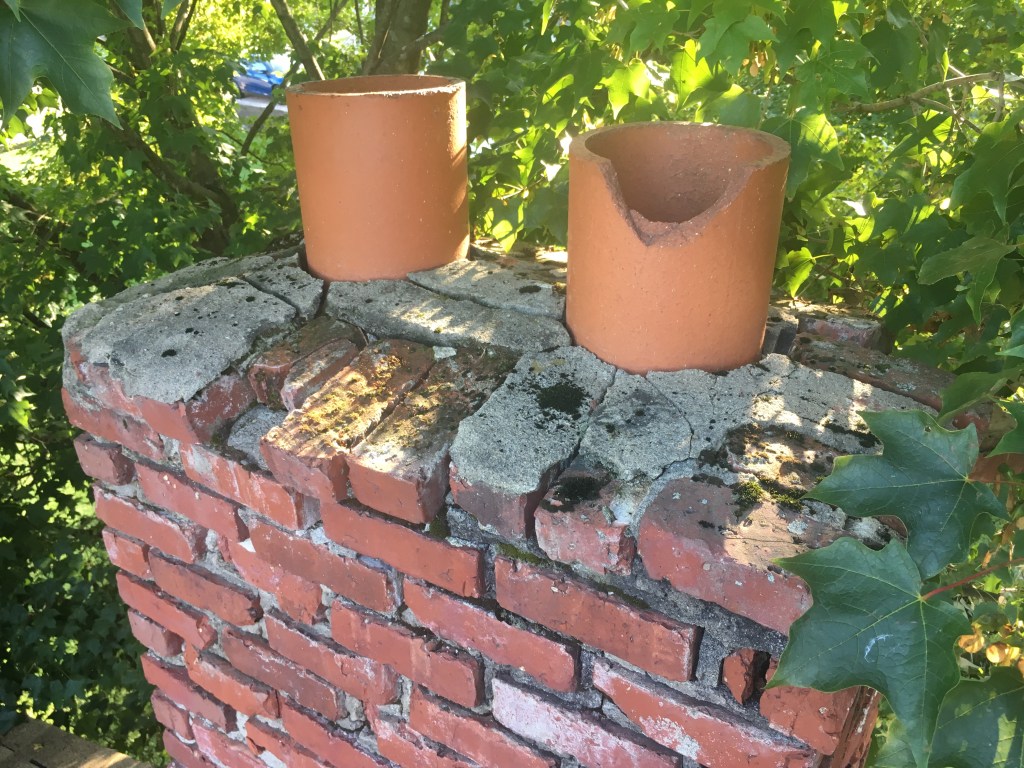
Brick chimneys add charm and character to a home—but they also require regular care to stay safe and functional. A professional chimney inspection looks beyond the surface to catch problems early, helping you avoid costly repairs and potential safety hazards.
Here’s what’s typically involved in a brick chimney inspection:
- Visual Inspection: We check for visible signs of damage like cracked or missing bricks, deteriorating mortar joints, and signs of leaning or shifting.
- Interior Check: Using a flashlight or camera, we examine the flue for creosote buildup, obstructions (like nests or debris), and signs of moisture or structural damage.
- Cap and Crown Assessment: We inspect the chimney cap and crown for cracks or damage that could allow water in.
- Flashing and Waterproofing: Proper flashing around the chimney base is essential to prevent leaks—if it’s loose or rusted, repairs are recommended.
- Smoke Test (if needed): In some cases, we may recommend a smoke test to check for leaks or blockages in the flue.
Maintenance often includes repointing deteriorated mortar joints, cleaning out creosote buildup, replacing damaged caps, and applying waterproof sealants to protect the brickwork from moisture damage.
Keeping your brick chimney in top shape isn’t just about aesthetics—it’s about safety, efficiency, and preserving the value of your home. Schedule a professional inspection at least once a year, especially before the heating season begins.
 King Home Inspection Services
Leave a comment